How to read this catalogue. Each entry lists the artifact, the scripture(s) it relates to, an image, and the museum where it is currently held. Discoveries are grouped chronologically by the biblical period they illuminate. As scholars rightly note, archaeology does not "prove" the spiritual claims of Scripture — but over 150 years of excavation has repeatedly confirmed its historical framework: real kings, real cities, real events. Where a find is debated among scholars, that is noted honestly rather than overstated.
I. Old Testament Era
Merneptah Stele ("Israel Stele")
c. 1208 BC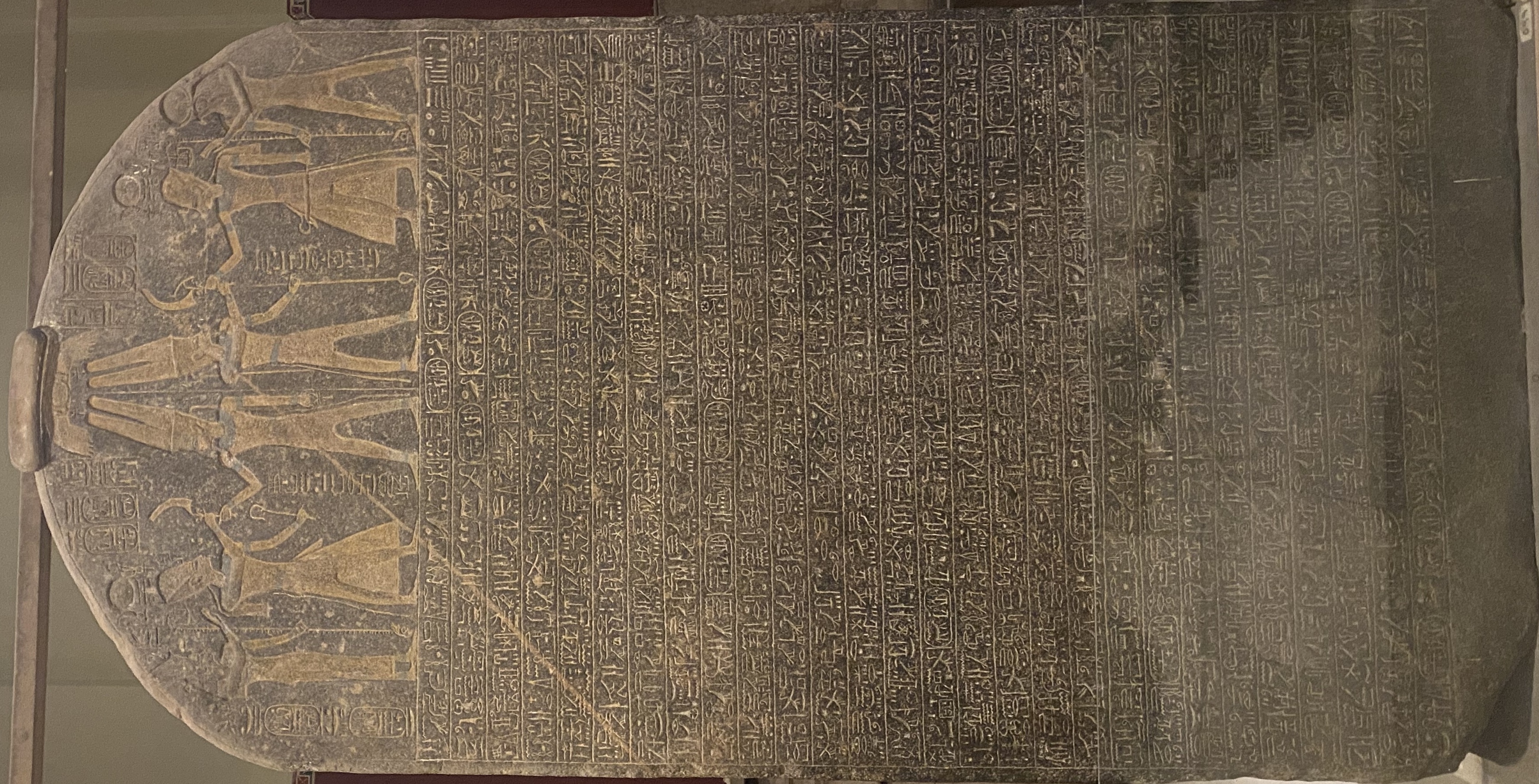
View photograph & source ↗
This black granite victory monument of Pharaoh Merneptah contains the earliest known mention of "Israel" outside the Bible. The final lines list conquests in Canaan: "Israel is laid waste, his seed is not." Crucially, the hieroglyphic determinative marks Israel as a people (not yet a settled city-state), placing them in Canaan exactly when the biblical timeline expects — after the Exodus and during the period of conquest/settlement.
Mesha Stele (Moabite Stone)
c. 840 BC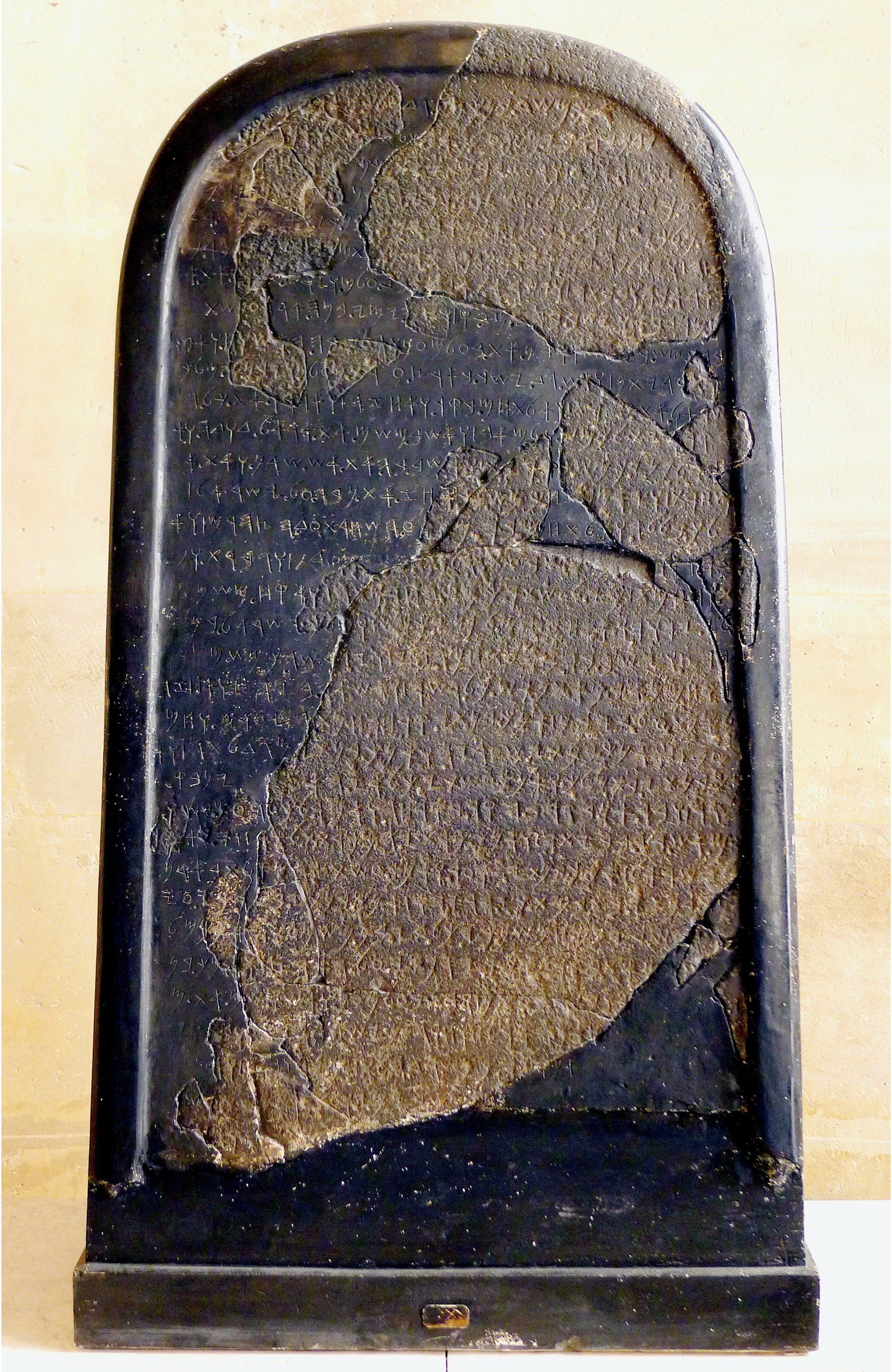
View photograph & source ↗
King Mesha of Moab's account of his rebellion against Israel. It names King Omri of Israel by name, references the "House of Omri," contains the earliest certain extra-biblical mention of YHWH, and (per a contested reading by André Lemaire) possibly references the "House of David." It directly parallels the Moabite revolt recorded in 2 Kings.
Note: the "House of David" line (line 31) is genuinely debated; the Omri reference and YHWH mention are not.
Tel Dan Stele ("House of David" Inscription)
9th cent. BC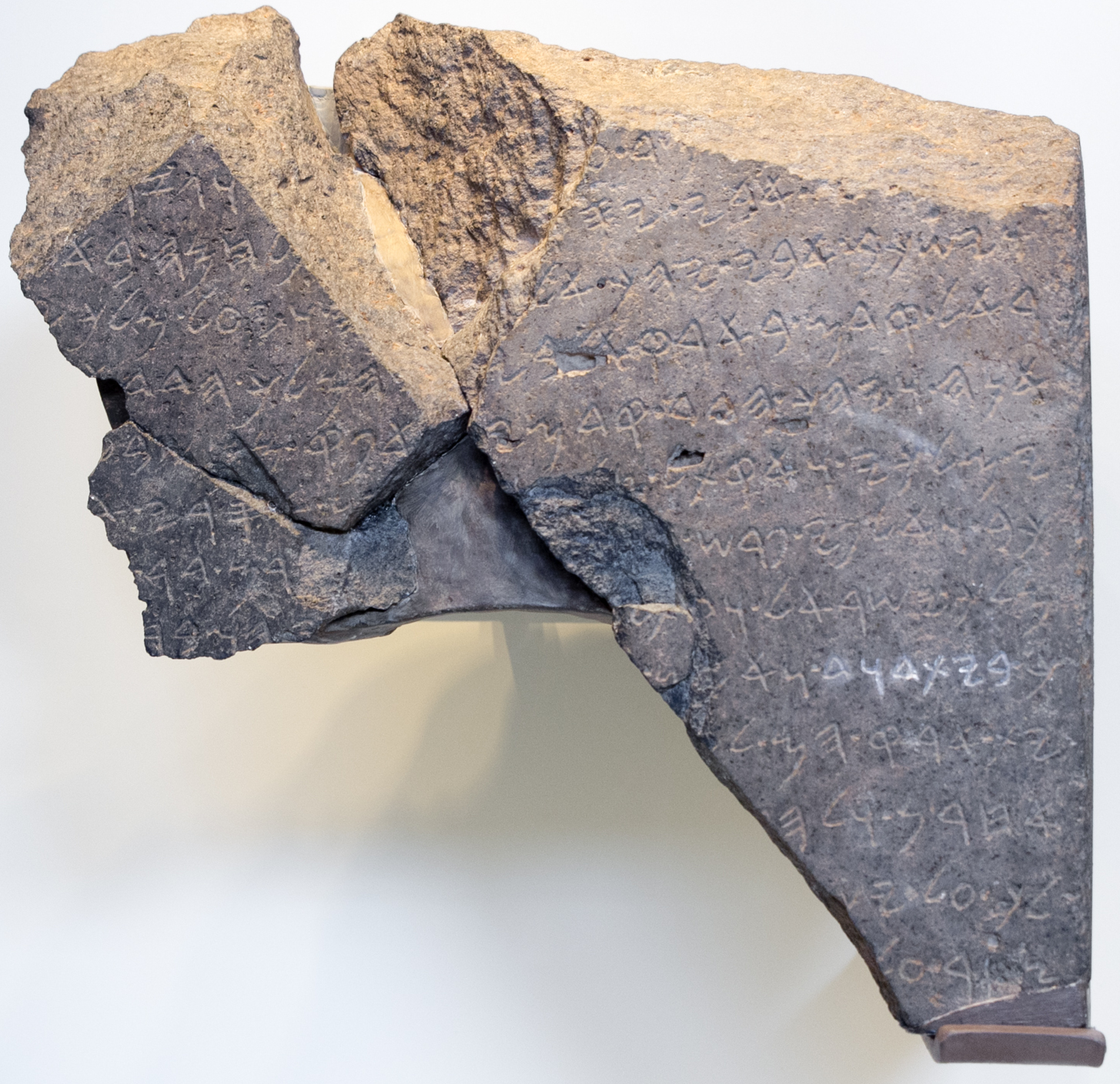
View photograph & source ↗
An Aramaic victory inscription, most likely by Hazael of Aram-Damascus, boasting of defeating the kings of Israel and the "House of David" (bytdwd). This is widely accepted as the first reference to King David outside the Bible — powerful evidence that David was a historical dynastic founder, not a literary legend. It aligns with the deaths of Jehoram of Israel and Ahaziah of Judah.
Black Obelisk of Shalmaneser III
c. 825 BC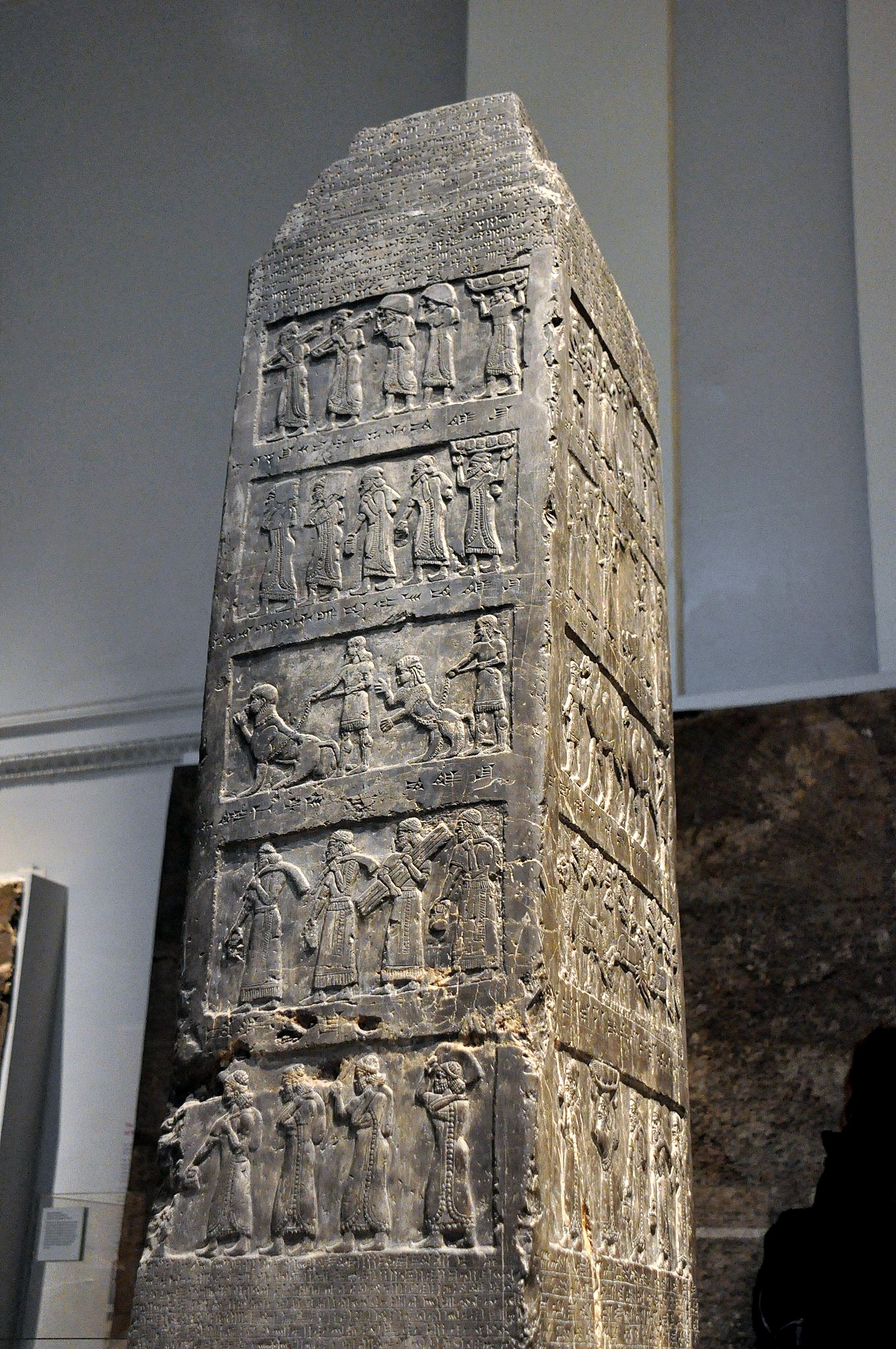
View photograph & source ↗
An Assyrian monument whose carved panels show "Jehu, son of Omri" (or his envoy) bowing to pay tribute to Shalmaneser III — the only known ancient depiction of an Israelite king. It corroborates the existence of Jehu and Israel's tributary relationship with Assyria.
Bulla (Seal Impression) of King Hezekiah
c. 727–698 BC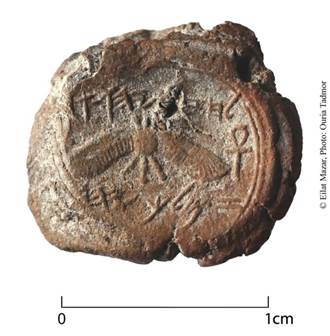
View photograph & source ↗
A clay seal impression reading "Belonging to Hezekiah [son of] Ahaz, king of Judah." The first seal impression of a Judahite/Israelite king ever found in a controlled scientific excavation — a direct, personal artifact of a named biblical king.
Siloam Inscription (Hezekiah's Tunnel)
c. 701 BC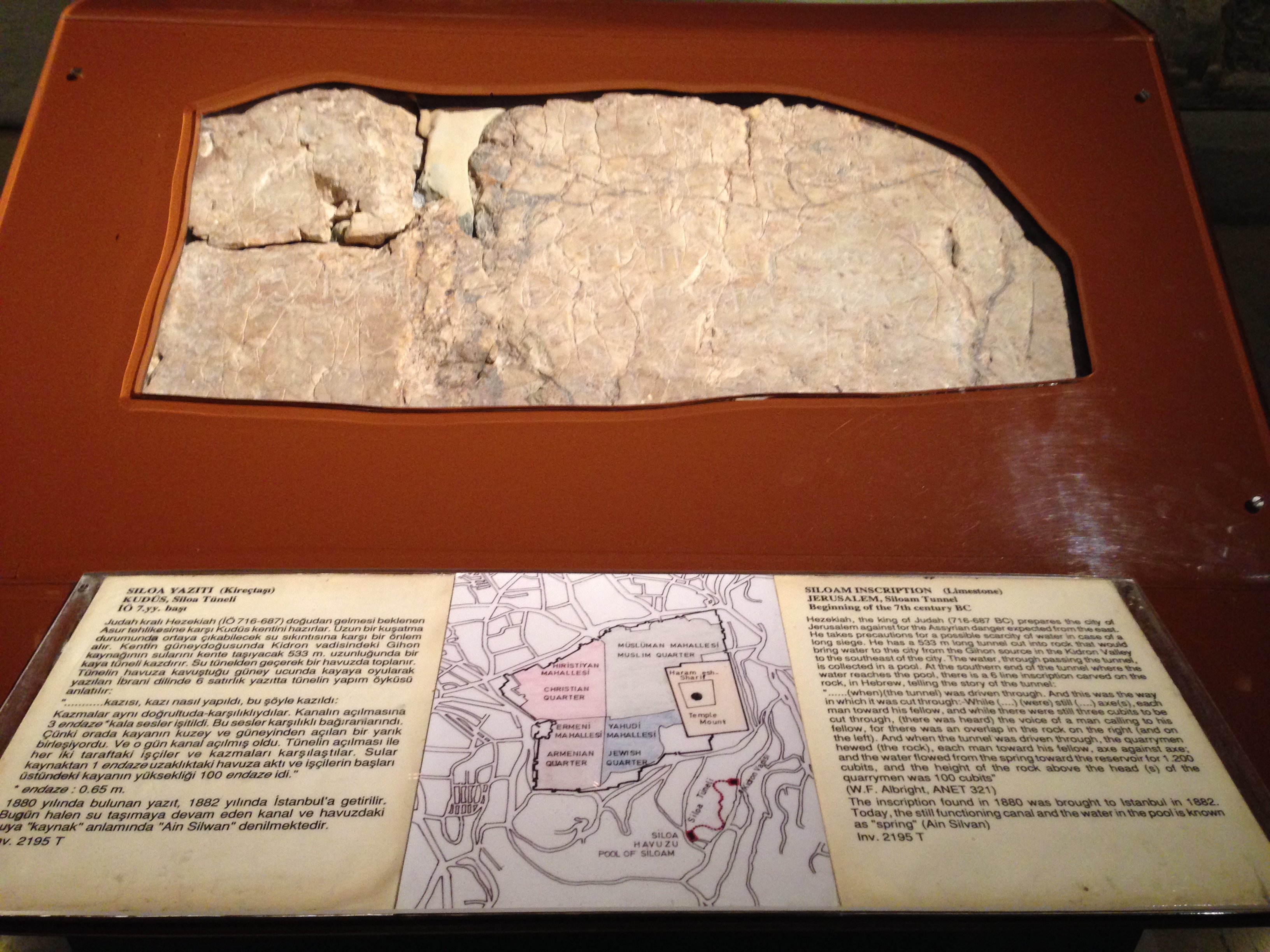
View photograph & source ↗
Carved inside the 533-meter water tunnel built to secure Jerusalem's water supply ahead of Sennacherib's Assyrian siege, the inscription describes the dramatic moment two teams of diggers, working from opposite ends, broke through and met. The tunnel itself is a verifiable engineering match to the biblical account.
Sennacherib's Prism (Taylor Prism)
c. 691 BC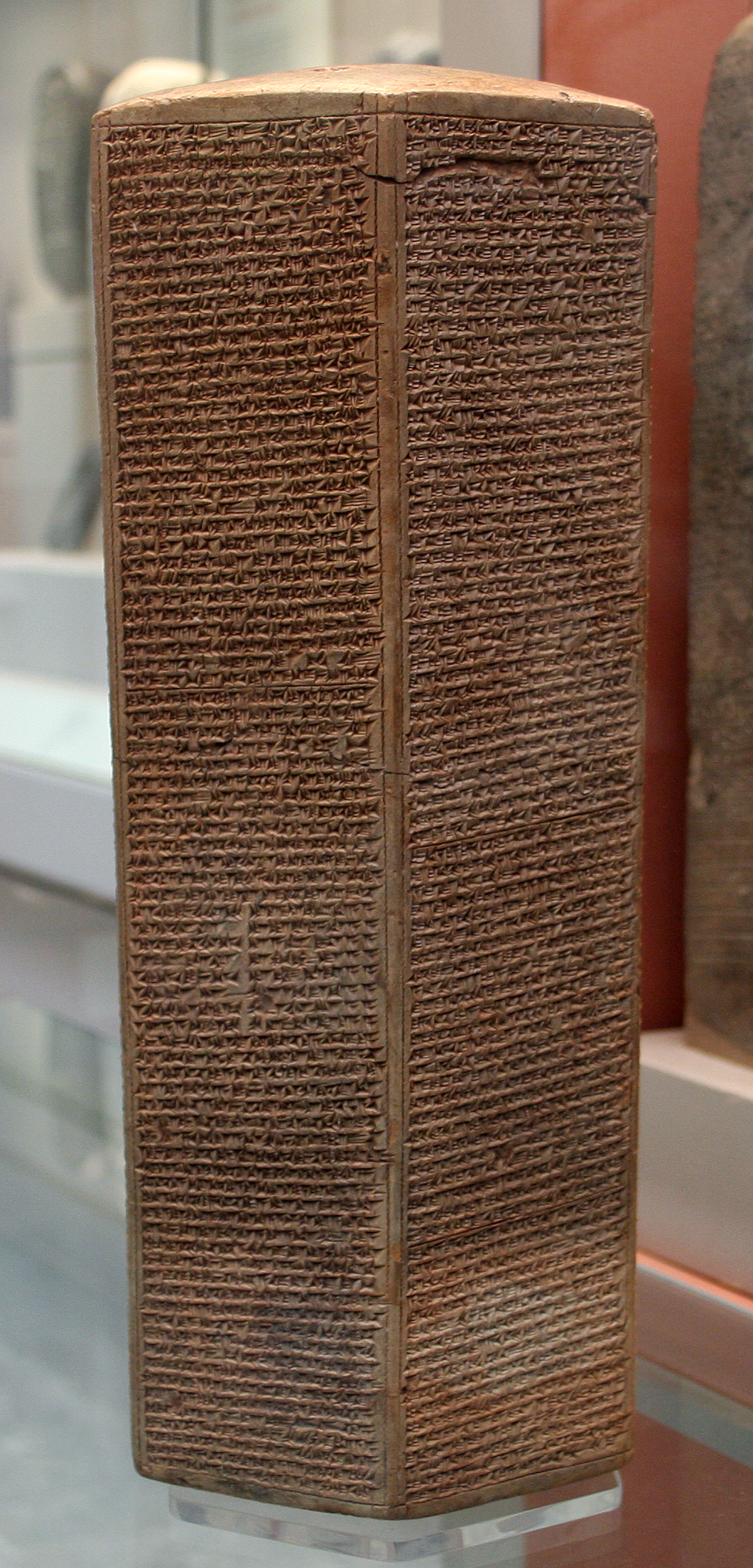
View photograph & source ↗
This Assyrian royal annal records Sennacherib's 701 BC campaign against Judah. Famously, it boasts of shutting up Hezekiah "like a caged bird" in Jerusalem — but tellingly never claims to have captured the city. This silence corroborates the biblical account that Jerusalem was miraculously delivered and the siege lifted.
Babylonian Chronicles & Jehoiachin's Ration Tablets
6th cent. BC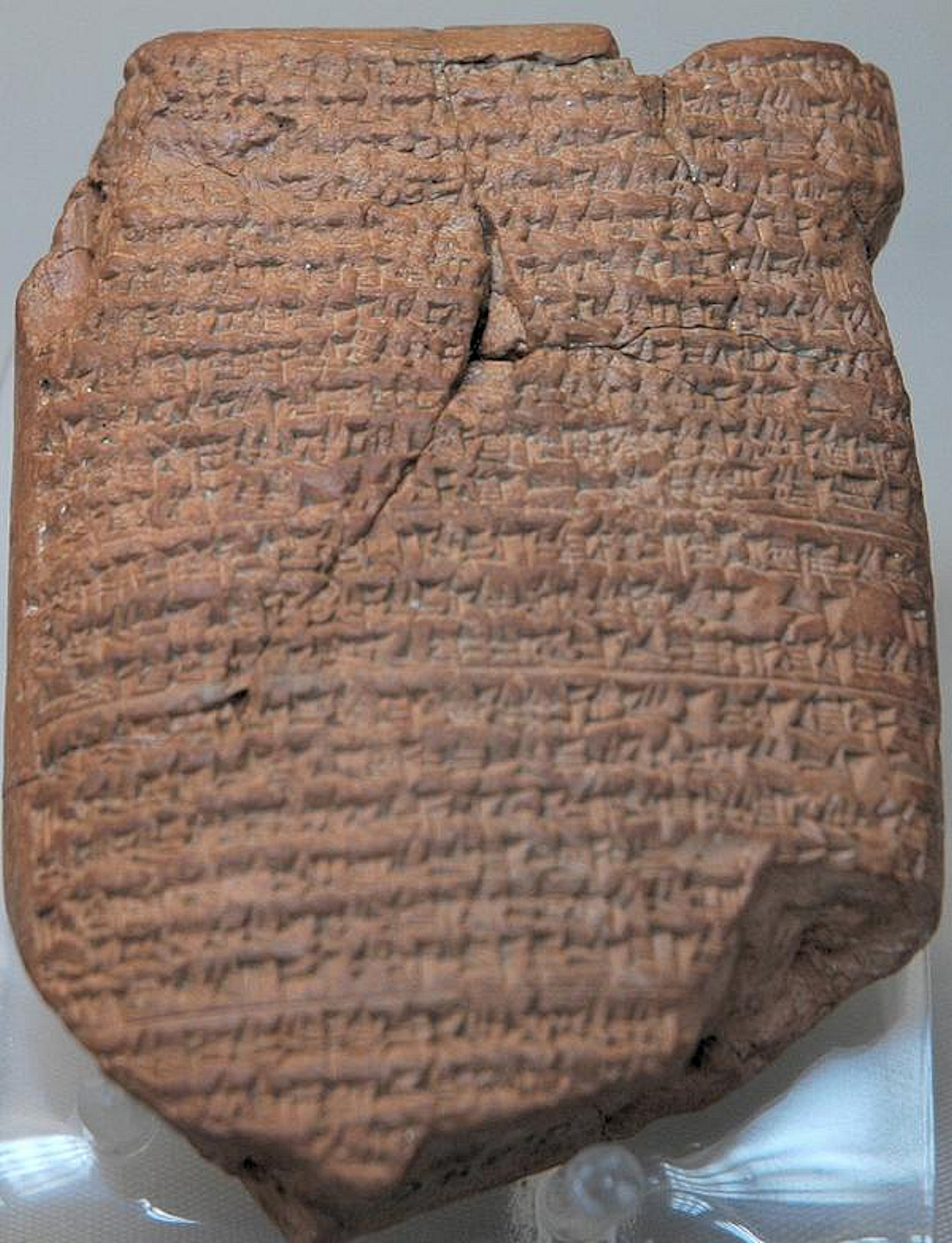
View photograph & source ↗
These cuneiform clay tablets independently document Nebuchadnezzar's conquest of Jerusalem and the Babylonian exile. A separate set of administrative "ration tablets" from Babylon names "Jehoiachin, king of Judah" receiving food allowances as a captive — precisely matching the closing verses of 2 Kings.
II. Second Temple / Inter-testamental Era
Cyrus Cylinder
c. 539 BC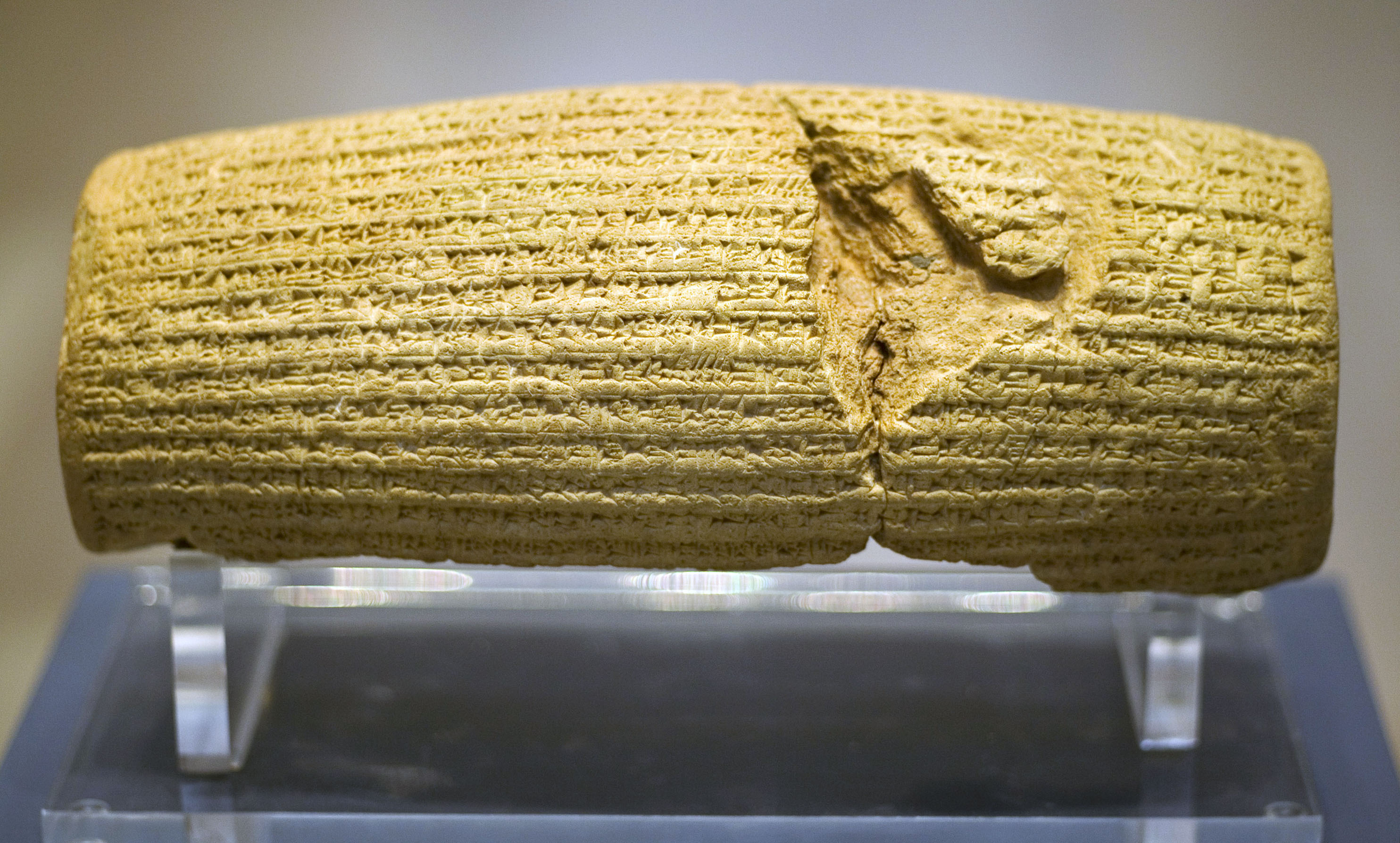
View photograph & source ↗
A clay cylinder recording Cyrus the Great's conquest of Babylon (539 BC) and his policy of allowing exiled peoples to return home and restore their temples. While it does not name the Jews specifically, it documents exactly the kind of imperial decree that the Bible attributes to Cyrus, permitting the Jewish return and rebuilding of the Temple.
Dead Sea Scrolls
c. 250 BC – AD 68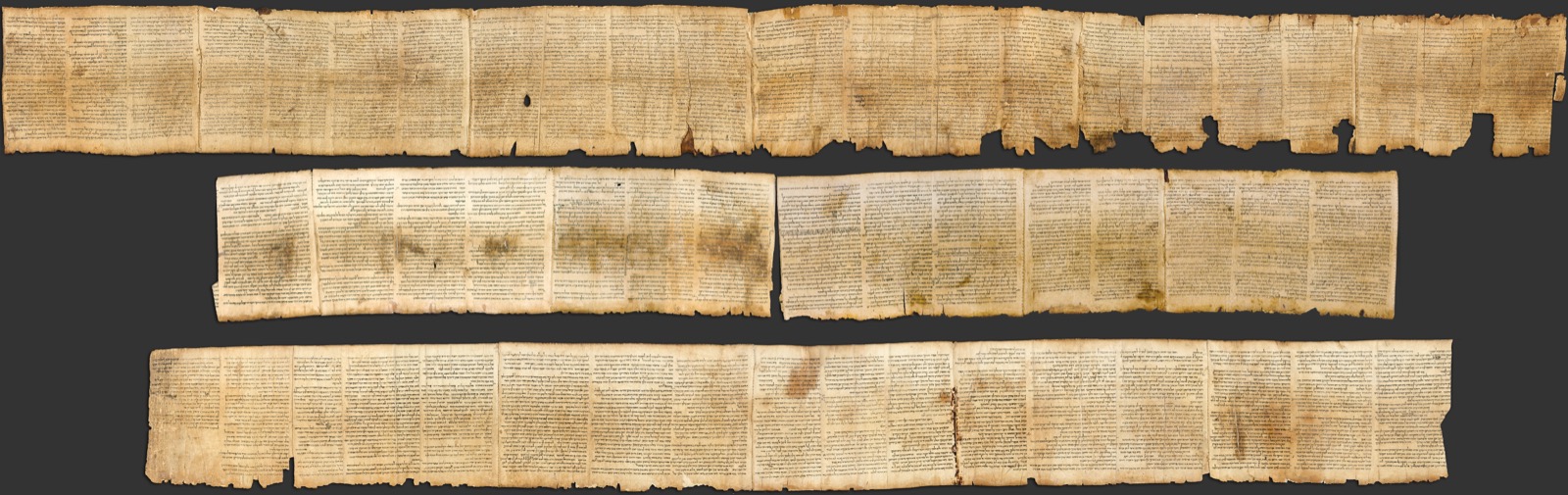
View photograph & source ↗
Roughly 980 manuscripts including portions of every Old Testament book except Esther, plus a complete scroll of Isaiah. They predated the previously oldest Hebrew manuscript (the Leningrad Codex, AD 1008) by over a thousand years. When compared, the texts show remarkable stability of transmission across that millennium — a cornerstone of the Bible's textual reliability.
Ketef Hinnom Silver Scrolls
c. 600 BC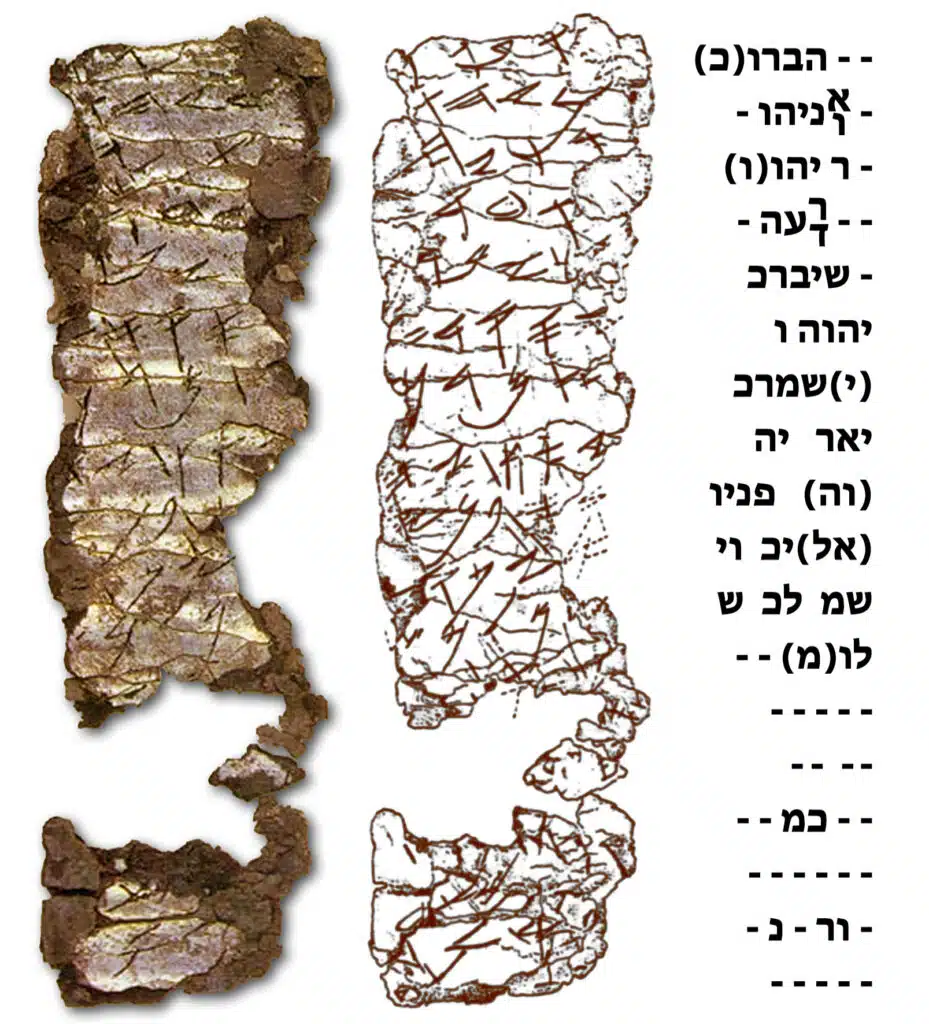
View photograph & source ↗
Two minuscule rolled silver amulets, which took years to carefully unroll. They contain the Priestly Blessing of Numbers 6 and the earliest known citation of biblical text in Hebrew — including the divine name YHWH. They demonstrate these scriptural words were in circulation centuries before the earliest Dead Sea Scrolls.
The inscription in Paleo-Hebrew, line by line (KH2)
The image on the left already gives the square-Hebrew transcription; below is the same text in the original Paleo-Hebrew letters with its meaning. Reading top to bottom. Where the silver is damaged, the line is marked as partly reconstructed; the lowest lines are lost. The reading follows the published Barkay / USC West Semitic Research edition.
Show the line-by-line reading Hide the line-by-line reading
- 2𐤁𐤉𐤄𐤅𐤄by YHWH — partly reconstructed
- 3𐤄𐤂𐤁𐤓the warrior / helper, and
- 4𐤄𐤂𐤏𐤓 𐤁the rebuker of
- 5𐤄𐤓𐤏 𐤔𐤉𐤁𐤓𐤊[e]vil. May he bless you,
- 6𐤉𐤄𐤅𐤄YHWH,
- 7𐤅𐤉𐤔𐤌𐤓𐤊and keep you;
- 8𐤉𐤀𐤓 𐤉𐤄may YH- make shine,
- 9𐤅𐤄 𐤐𐤍𐤉𐤅-[W]H, his face,
- 10𐤀𐤋𐤉𐤊 𐤅𐤉[upon] you and
- 11𐤔𐤌 𐤋𐤊 𐤔grant you p-
- 12𐤋𐤅𐤌-[ea]ce.
- 13+— — —remaining lines lost / illegible
Read together, the surviving blessing is: "May YHWH bless you and keep you; may YHWH make his face shine upon you and grant you peace."
Honest note: this is an early form of the Priestly Blessing. It does NOT include the later phrases "be gracious to you" and "may YHWH lift up his face toward you" (Numbers 6:25–26). Dated to the late 7th–early 6th century BC — centuries older than the Dead Sea Scrolls.
III. New Testament Era
Pilate Stone
c. AD 26–36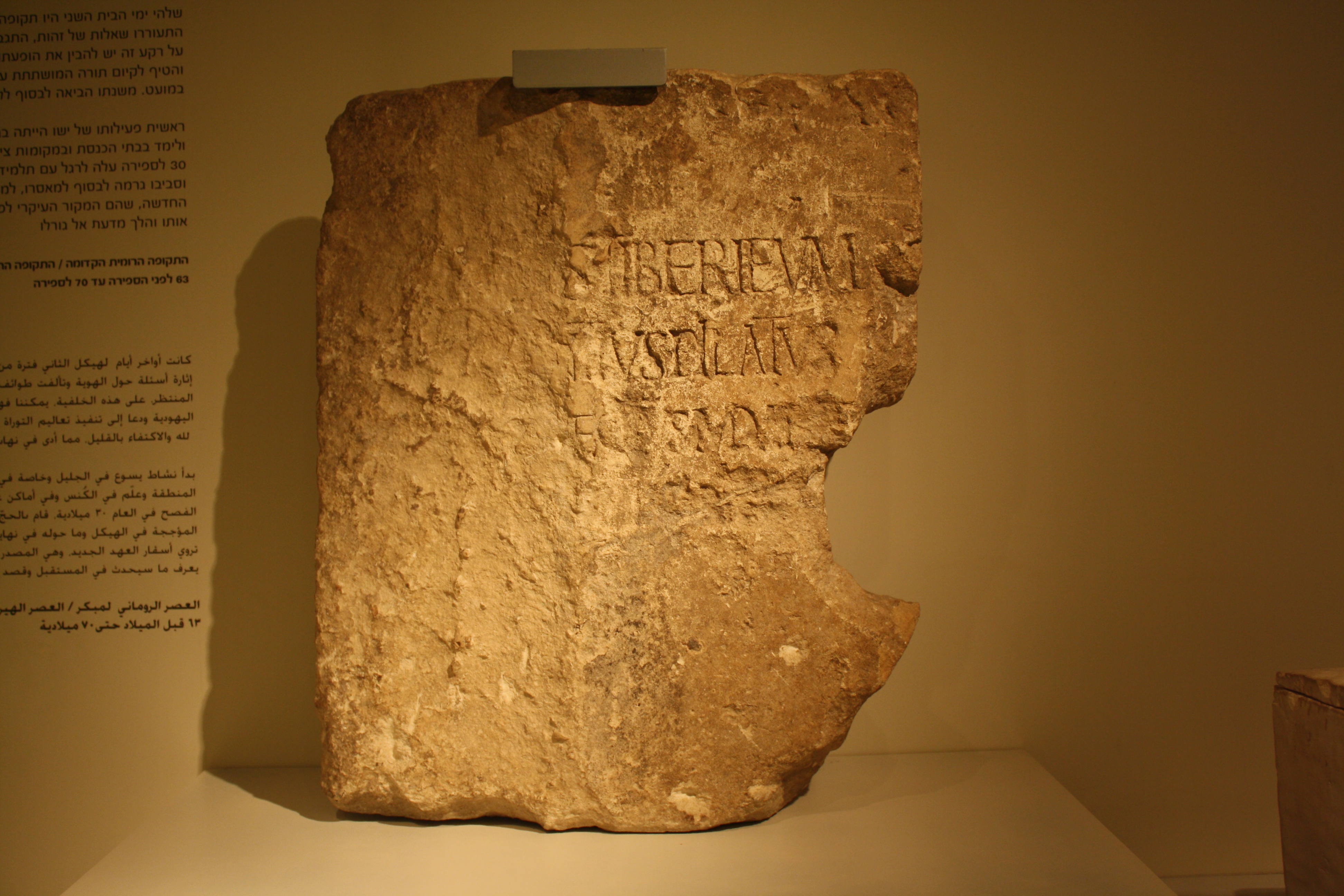
View photograph & source ↗
A dedicatory limestone inscription bearing the name "Pontius Pilatus, Prefect of Judaea" — the first and only archaeological inscription of Pilate from his own era. It confirms both his historicity and his exact title (prefect), directly supporting the Gospel accounts of Jesus' trial.
Caiaphas Ossuary
1st cent. AD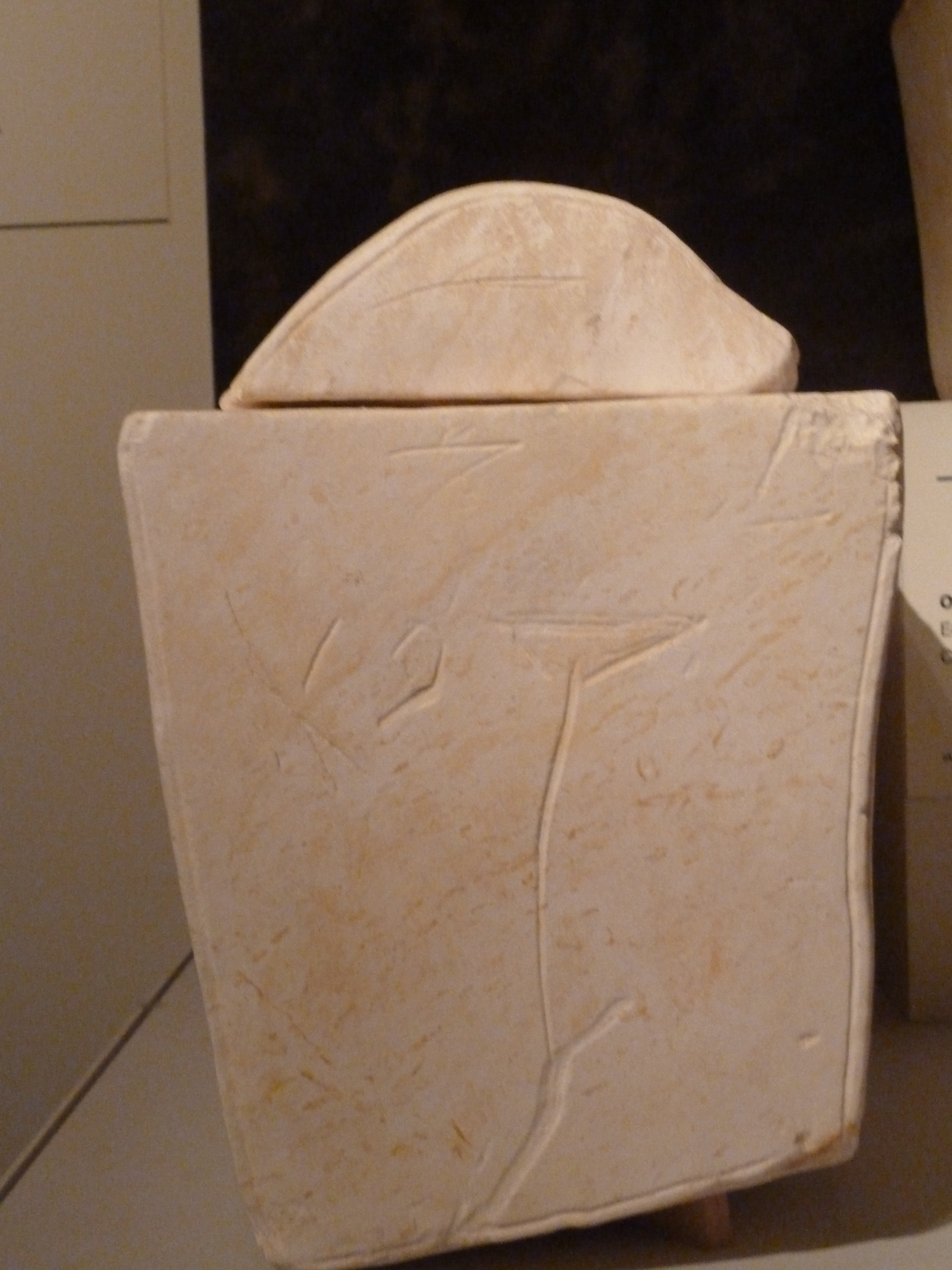
View photograph & source ↗
A highly decorated limestone bone-box inscribed twice with "Joseph, son of Caiaphas," holding the bones of a roughly 60-year-old man. Widely identified with the high priest Caiaphas who presided over Jesus' interrogation — a rare physical link to a named New Testament figure.
Pool of Siloam & Pool of Bethesda
1st cent. AD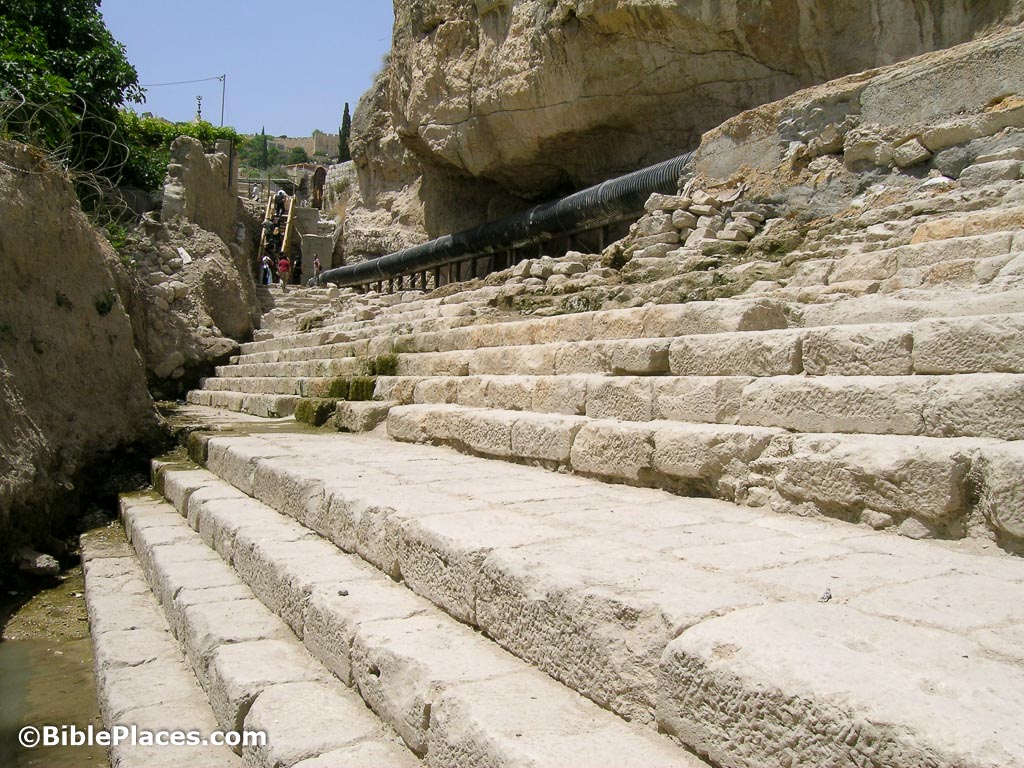
View photograph & source ↗
Both pools, once thought to be theological symbols, were found to be real, identifiable Second Temple-period structures matching John's Gospel descriptions. The Pool of Siloam is where Jesus sent the blind man to wash; the Pool of Bethesda was found with the five porticoes John specifically mentions — a detail critics had doubted.
Delphi (Gallio) Inscription
c. AD 52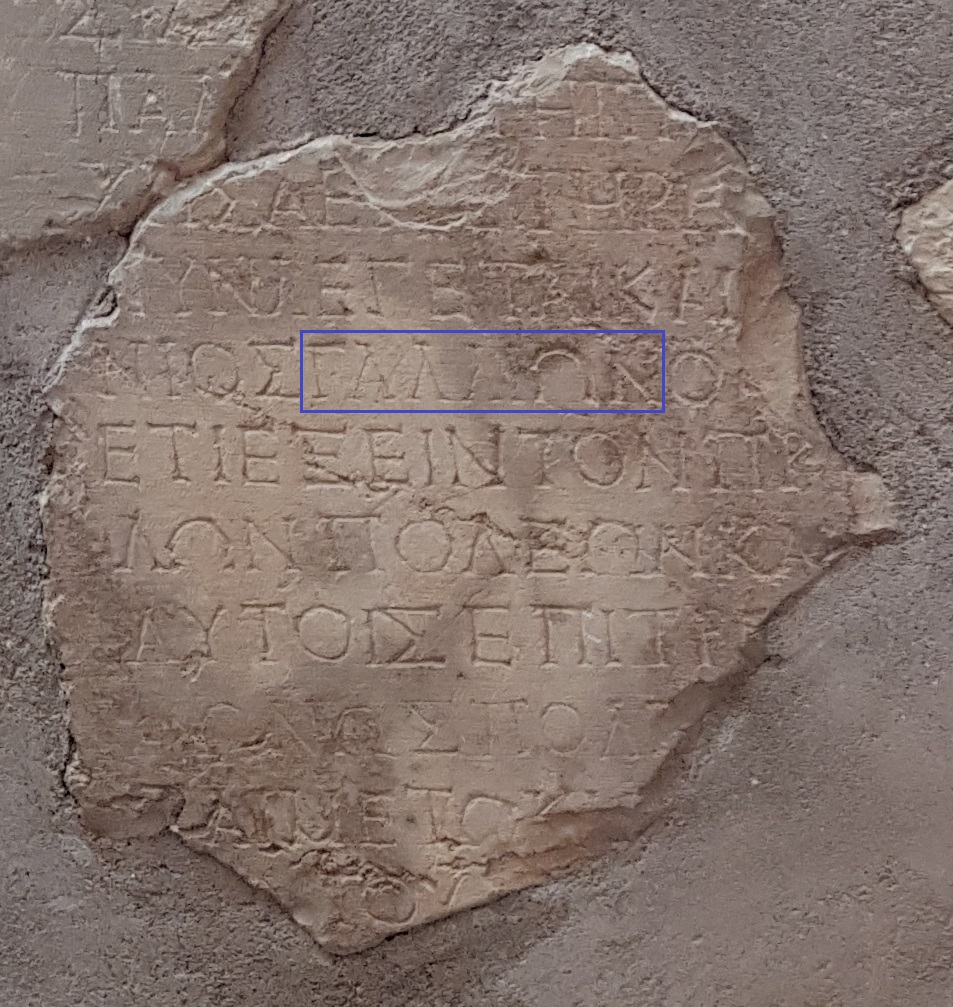
View photograph & source ↗
This imperial inscription names Gallio as proconsul of Achaia and allows his term to be dated to roughly AD 51–52. Because Acts records Paul being brought before Gallio in Corinth, it provides one of the firmest anchor-points for dating Paul's ministry — a keystone of New Testament chronology.
A note on honest scholarship
This catalogue focuses on finds that are well-accepted by the academic community. A few items carry genuine scholarly debate, noted in their entries (e.g., the "House of David" reading on the Mesha Stele, and the dating interpretation of Jericho's walls). Other famous artifacts — such as the James Ossuary and the Shroud of Turin — are deliberately omitted here because their authenticity or relevance remains seriously contested. Presenting the strong evidence honestly, and flagging the disputed material as disputed, is the most faithful and most persuasive approach. Several additional finds (the Nazareth Inscription, the Erastus Inscription in Corinth, the Pilate Ring, the Tel Dan high place, Khirbet Qeiyafa, the Lachish reliefs and letters, the Cylinder of Nabonidus naming Belshazzar, and the Ugaritic texts) are worth adding in a future expansion.